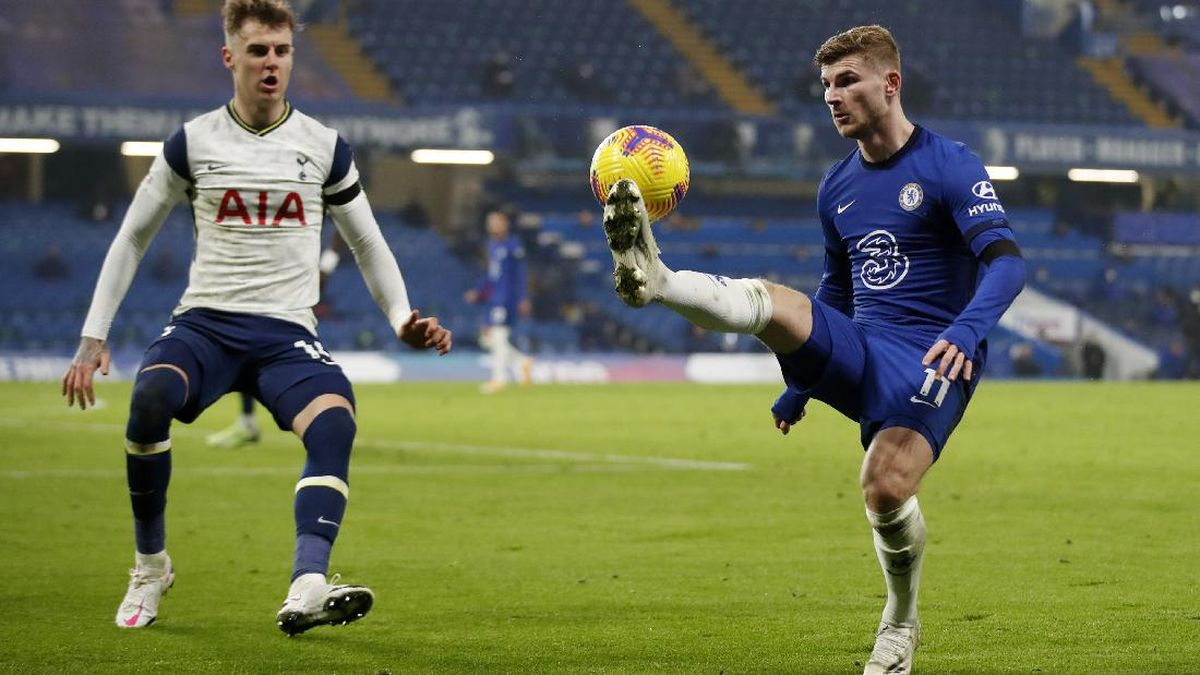
High pressing in Thai League 1’s 2021/2022 season did more than win possession; it accelerated match tempo, increased errors and pushed total goals toward the overs side of common lines. Across 240 fixtures the league produced 615 goals—2.56 per match—with over 2.5 goals landing in around 49% of games, so the environment was already moderately goal‑friendly before you even isolate aggressive teams. When sides layered an intense press on top of that baseline—forcing turnovers high up the pitch and creating repeat transition moments—their matches tended to skew further toward high‑chance football that rewarded over bettors.
Why High Pressing Naturally Supports Over Bets
At a tactical level, high pressing compresses the pitch into the opponent’s half, increasing both shot volume and the quality of chances because many attacks begin closer to goal. Thai League 1’s 2021/2022 scoring average of 2.56 per game—split roughly as 1.41 goals per match for home teams and 1.15 for away sides—already points to a league where games rarely stagnated at 0–0 for long. When a side commits to pressing high, it adds two layers of volatility: it creates more chances for itself through high regains and leaves more space behind its defensive line for opponents to exploit when the press is broken.
For bettors focused on overs, this volatility is precisely what matters. A match between two conservative teams can sit at 1–0 or 1–1 for long stretches, keeping totals under control even in a league with a decent average. By contrast, when one or both sides press aggressively, the odds of sudden goals from turnovers, quick combinations and transitional attacks rise, increasing the probability that the total tips past common lines such as over 2.5. The structure of Thai League 1 in 2021/2022—with several clubs combining strong attacks and non‑elite defences—provided fertile ground for this pattern to surface.
Teams Whose Numbers Hint at High-Press Profiles
While detailed pressing metrics for Thai League 1 are not as widely published as for top European competitions, team scoring and concession numbers from 2021/2022 still help identify likely high‑press or high‑tempo candidates. Bangkok United, for instance, recorded the best attack with 53 goals and a +23 goal difference, while Chonburi scored 50 and conceded 40, and Nong Bua Pitchaya posted 42 scored and 35 conceded. These totals suggest teams that regularly played in open, high‑event matches rather than in low‑tempo, grinding contests.
Biggest‑win data support that impression. The season’s largest home win was Bangkok United’s 5–0 victory over Police Tero, while the biggest aggregate scoreline saw BG Pathum United beat PT Prachuap 7–2, and Chonburi crushed Khonkaen United 7–0. Repeated ability to generate such scorelines is rarely built on passive mid-blocks; it usually stems from sides that press early, attack quickly after regains and keep pushing when ahead. That style inflates goal counts in both directions and, crucially for bettors, increases the frequency with which totals land in the 3–4–5 goal corridor.
Mechanisms: How High Pressing Converts into Extra Goals
The mechanisms that connect pressing to goals operate at both the team and league levels. High pressing creates short attacks starting near the opponent’s box, which in turn raise expected goals per shot—Thai League forwards do not need to be elite finishers when given repeated chances from central areas. It also fuels repeated transitions: when a press is broken, the pressing team’s higher defensive line leaves room for quick counters. Over 240 matches in 2021/2022, those patterns helped produce 615 goals, and nearly half of the games ended over 2.5 despite the league not being wildly skewed toward either overs or unders.
Within that environment, teams with strong attacking resources—Bangkok United with 53 goals, BG Pathum United with 52, Chonburi with 50—were structurally more capable of turning pressing gains into goals. At the same time, their concession totals (30, 27 and 40 respectively) indicate that they were not immune to giving up chances themselves. Pressing magnified that duality: games opened up because both sides had repeated access to chances, which is exactly the profile over bettors look for when they scan fixtures.
Comparison: High Press vs Low-Block Teams for Over Bettors
Comparing these likely high‑press sides with low‑block or more conservative teams clarifies the difference in over potential. Buriram United, for example, finished with 48 goals scored but only 19 conceded, underlining a more controlled, structure‑first approach. Many of their wins were efficient rather than chaotic, which meant some matches settled into 2–0 or 2–1 outcomes where overs at higher lines required a lot to break correctly. Teams like Police Tero, who drew 13 times with only 33 goals scored and 39 conceded, also tended toward tighter games even when facing stronger opponents.
For a bettor, this contrast matters because market narratives sometimes blur it. A fixture between two high‑press candidates such as Bangkok United and Chonburi carries far more natural over potential than one between Buriram and a draw‑heavy mid‑table side, yet headlines about “top teams” can make both matches sound equally explosive. Anchoring your decisions in how these teams structurally generate chances and space helps you avoid treating all big names as similar over opportunities.
How to Systematically Spot Over-Friendly High-Press Fixtures
Instead of guessing which Thai League 1 games in 2021/2022 involved high pressing, a bettor can work with a repeatable screening process that uses available numbers as proxies. The process starts from goal distributions: prioritise fixtures where both teams’ matches regularly exceeded the league’s 2.56 goals-per-game baseline and where over 2.5 landed more often than the roughly 49% league average. Tools like over/under tables for Thai League T1, which list each side’s share of games above various goal lines, make that comparison easier.
Next, cross‑check with total goals per team across the season. Chonburi’s matches produced 90 combined goals (50 for, 40 against), Port’s 78, Nong Bua Pitchaya’s 77, and Bangkok United’s 83, all substantially above what a typical 2.56‑goals‑per‑game, 30‑match profile would produce. Then, scan their biggest wins and heaviest defeats—numbers like Bangkok United 5–0 Police Tero or BG Pathum United 7–2 Prachuap—and notice whether those sides appear repeatedly in extreme scorelines. Put together, these indicators strongly suggest an aggressive style that is friendly to overs.
Checklist for high-press, over-prone Thai League fixtures
- Both teams’ matches average clearly above 2.56 total goals.
- Each has a high proportion of over 2.5 games relative to league average.
- Combined seasonal goals (for + against) are high (75+ across 30 games).
- At least one team appears repeatedly in big wins or high-aggregate scorelines.
- Neither side has an elite defensive record akin to Buriram’s 19 goals conceded.
When several checklist items align, you do not need official pressing maps to infer a high‑tempo, high‑turnover style that raises over probabilities.
Using UFABET Odds to Test High-Press Over Ideas
Turning structural ideas into bets requires cross‑checking them against actual lines. If you use ยูฟ่าเบท during Thai League seasons, a disciplined method is to treat its over/under markets as implied judgements about how open each game will be. Suppose a match between Bangkok United and Chonburi—two teams whose 2021/2022 matches produced 83 and 90 total goals respectively—opens with a relatively modest price for over 2.5 or even 3.0. After verifying that both sides are near full strength and that weather or pitch conditions are not likely to suppress tempo, you can justify a measured position on overs based on your structural read that both teams press and transition aggressively. Over multiple rounds, logging how often these “high‑press candidates” land over compared with UFABET’s prices lets you see whether your model genuinely identifies mispriced totals or simply echoes market consensus.
How a casino online Mindset Keeps High-Press Narratives Honest
There is a risk in any tactical narrative, including “high pressing leads to overs,” that bettors start to see it everywhere, just as players in a casino online environment sometimes read patterns into random events. Thai League 1’s 615 goals and 2.56 average in 2021/2022, with over 2.5 hitting only about half the time, show that not every match turned into a track meet. Even high‑press or high‑tempo teams can produce low‑scoring results when finishing deserts them, when early goals change incentives, or when opponents adjust by going long and bypassing the press.
Keeping a probability-based mindset means using pressing as one explanatory factor within a broader framework that includes finishing talent, defensive quality, situational motivation and scheduling context. High-press sides might have a higher baseline probability of overs, but that does not convert into a guarantee in any single fixture. The role of pressing in your analysis is to nudge probabilities, not to override all other information.
Summary
In Thai League 1’s 2021/2022 season, high‑tempo, attack-minded teams whose styles likely included aggressive pressing—most clearly Bangkok United, Chonburi, Nong Bua Pitchaya and BG Pathum United—helped push many of their matches beyond standard totals, contributing to a league average of 2.56 goals per game and an over‑2.5 hit rate of roughly 49% across 240 fixtures. Their combination of strong attacking numbers, high combined goals in matches and frequent involvement in extreme scorelines strongly suggests a structural bias toward open games that rewarded over bettors who selected fixtures methodically. By treating pressing as one factor within a data‑backed checklist and then weighing that view against the prices offered by their preferred sports betting destination, bettors could turn Thai League stylistic knowledge into an applied, testable edge rather than a hunch about which games “feel like overs.”
Leave a Reply