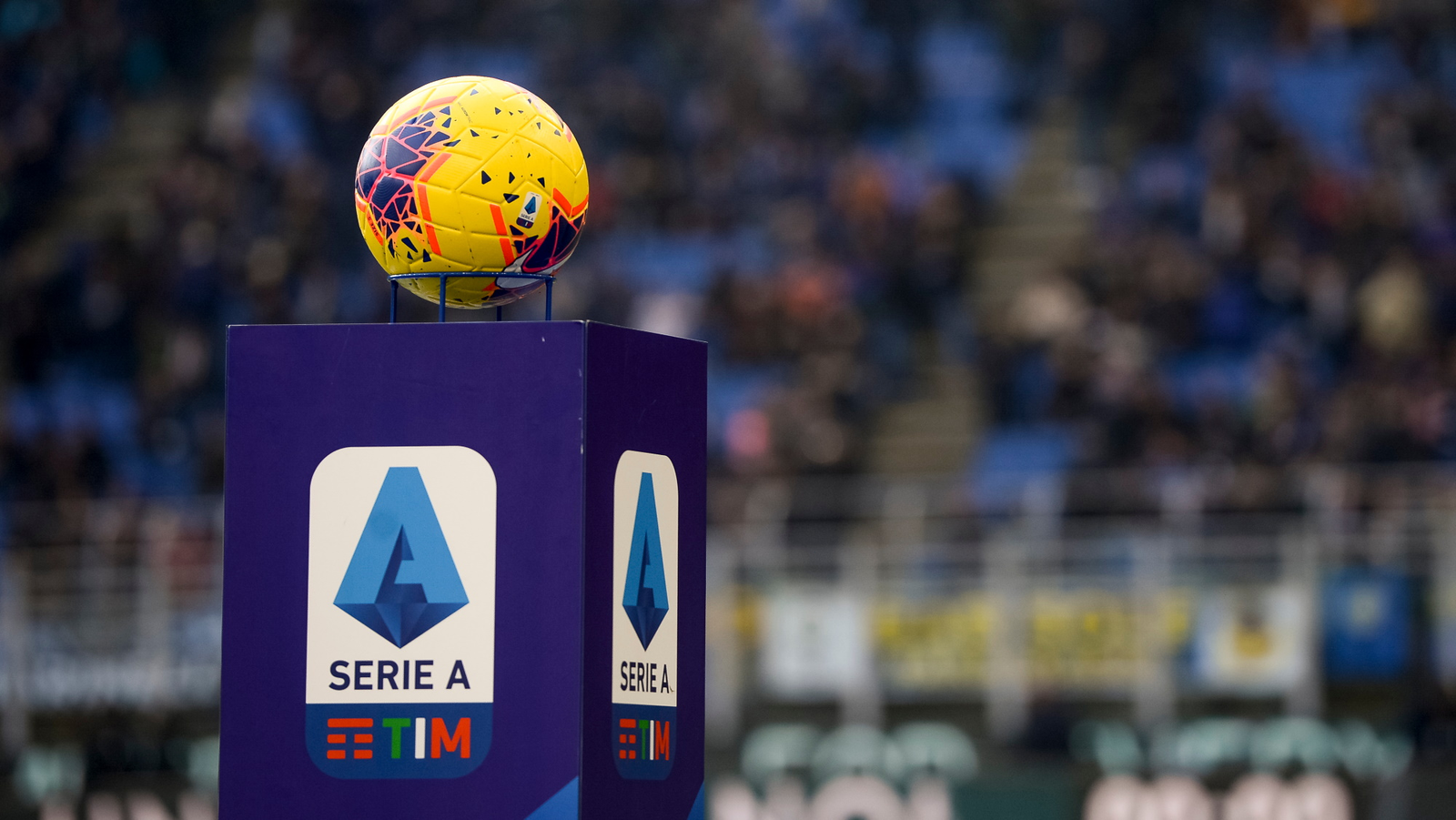
Committing to one Serie A team for an entire season is an unconventional yet fascinating betting approach. It simplifies decision-making but exposes bettors to concentrated risk. Whether this strategy proves worthwhile depends on understanding both statistical variance and the bettor’s own psychological discipline across prolonged exposure.
Why Bettors Choose to Follow a Single Team
The main appeal of sticking with one team lies in focus. By narrowing observation to one side, bettors develop deeper tactical familiarity, predictive rhythm, and pattern recognition. Over time, this precision may translate into improved timing across different market types — from pre-match odds shifts to in-play corrections. Consistency replaces guesswork, providing a sense of control over volatility.
The Hidden Risk of Overexposure
However, commitment narrows diversification. When a chosen team suffers form drops or managerial changes, bettors often underestimate cumulative loss impact. Anchoring bias — believing deeper familiarity ensures success — leads to emotional overconfidence. The impact magnifies during losing runs when loyalty blurs logic. Sustaining this approach demands confronting bias before it corrodes objective reasoning across consecutive rounds.
Evaluating the Logic of Long-Term Team Tracking
A single-team strategy operates under two key assumptions: consistent performance predictability and stable tactical identity. In Serie A 2023/2024, these assumptions are fragile. Clubs such as Fiorentina or Torino exhibit sharp form swings tied to schedule congestion and player fitness variation. Tracking one team long-term works only when the side maintains recognizable statistical continuity — chance creation rates, defensive xGA trends, and consistent lineup patterns.
Measurable Benefits under Controlled Conditions
When biases are managed, focusing on one team offers analytical depth others overlook. Bettors can track micro-indicators unavailable through general models — winger rotation, pressing intensity, or home crowd influence. This microdata fuels refined judgment, particularly within value-centric markets that price matches mechanically. However, success still hinges on converting insight into proportional stake management rather than attachment-based commitment.
Applying Team-Focused Strategies within UFABET Frameworks
In scenarios where adaptability defines success, bettors using structured service ecosystems gain comparative advantage. Through ufa168 ทดลองเล่น, a betting destination featuring season-long analytics and efficient data visualization, participants are better equipped to monitor patterns from their tracked teams over time. Observing real-time odds alongside statistical performances enables continuous recalibration — increasing stake only when analytical edge aligns with market inefficiency. This measured repetition builds consistency without emotional exhaustion, turning loyalty into evidence-driven speculation rather than blind following.
When the Strategy Fails to Deliver
This approach falters under strong volatility. For instance, a team plagued by mid-season injuries or European fatigue produces erratic metrics disrupting predictability. Bettors often persist, believing pattern knowledge guarantees eventual regression — a classic sunk-cost illusion. Here, the disciplined response is portfolio rotation: monitor secondary teams of similar structure to compare expected outputs, preventing complete stagnation.
Comparing Diversified vs. Focused Betting Approaches
| Method | Strength | Weakness | Ideal for |
| Single-Team Focus | Deep familiarity, controlled scope | High exposure to streak variance | Data-focused individual bettors |
| Multi-Team Diversification | Reduced variance, flexible opportunity | Shallow analytical insight per team | Seasonal profit seekers |
The single-team model values expertise; the diversified model values adaptability. A balanced combination, where 70% of betting volume centers on one team while 30% remains exploratory, may achieve equilibrium between familiarity and flexibility.
Extending Observational Logic into casino online Contexts
Beyond sports, long-term focus behavior mirrors broader decision psychology. In structured environments like casino online settings, commitment to a particular game category often produces the same illusion of mastery. The bettor perceives repetition as control, despite statistical independence. Recognizing this cognitive parallel empowers bettors to separate habit from genuine analytical edge — a crucial step toward disciplined strategic evolution across both sports and broader betting pathways.
Emotional Management Across a Full Season
Following the same team heightens both empathy and frustration. Emotional attachment grows subconsciously, dragging bets toward sentiment. The line between analysis and fandom blurs fastest after pivotal derbies or referee controversies. Without consistent self-auditing — tracking reasoning logs and reviewing bet rationales — emotion dominates pattern interpretation, undermining logic built through months of data.
Summary
Following one Serie A club throughout the 2023/2024 season can work, but only for those sustaining discipline over loyalty. The rewards — sharper insight and continuity — come with risks of tunnel vision and attachment bias. When combined with structured analysis, capital restraint, and regular self-assessment, the strategy transforms from emotional allegiance into informed consistency. Ultimately, the value lies not in the team chosen but in how rationally the bettor sustains focus while variance tests belief.
Leave a Reply