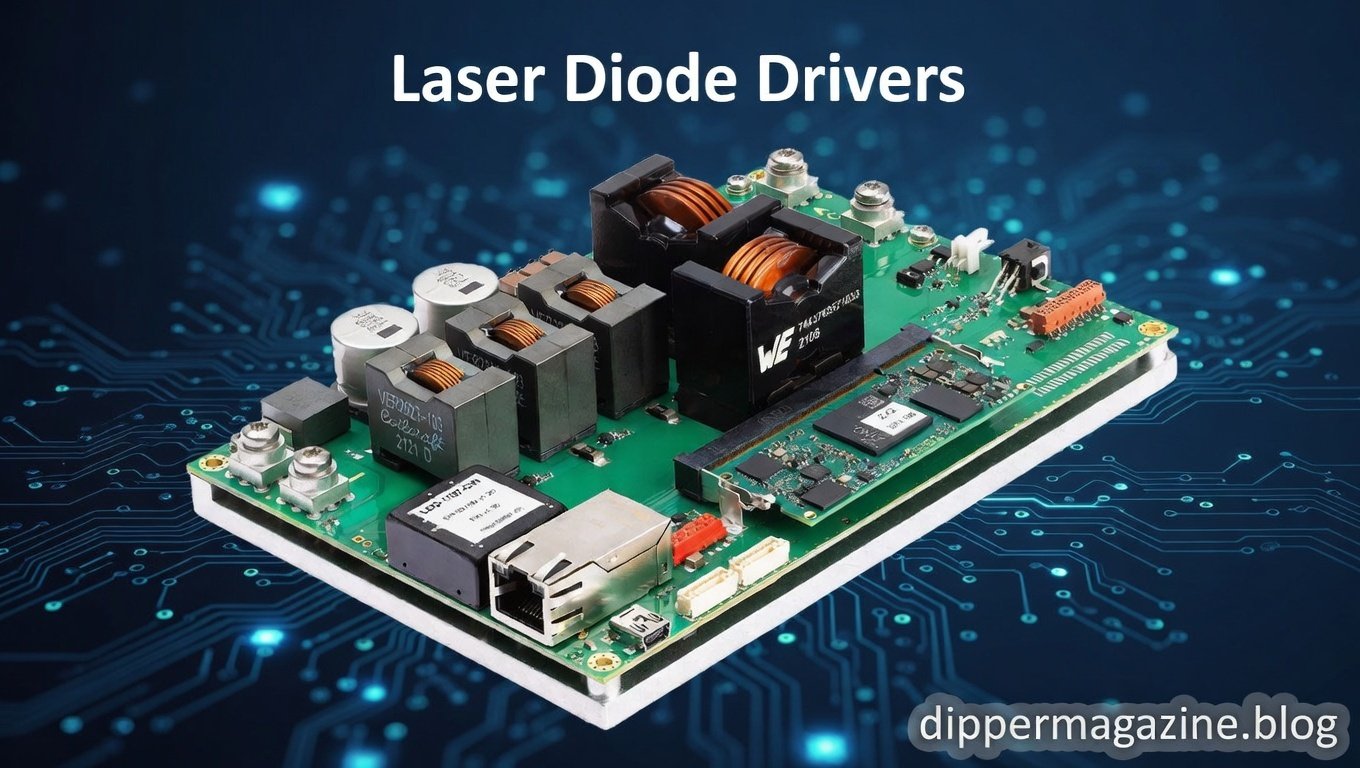
Laser diode drivers are essential devices that control the power supplied to laser diodes. Without them, laser diodes can burn out or fail to work properly. These drivers ensure stable current, protect the laser, and maintain performance. In this guide, we will explore how laser diode drivers work, their types, key features, and real-world applications. Whether you are a beginner, hobbyist, or engineer, understanding these drivers is critical.
Laser diode drivers are widely used in telecommunications, medical devices, research, and consumer electronics. Their main role is to provide precise current control because even small fluctuations can damage a laser diode. Using the correct driver can extend the life of your laser and improve its efficiency.
In this article, we will cover: types of laser diode drivers, features, design tips, real examples, and frequently asked questions. By the end, you will have a clear understanding of laser diode drivers and how to choose the right one for your needs.
What Are Laser Diode Drivers?
A laser diode driver is an electronic device that powers a laser diode with precise current. It regulates the voltage and protects the laser from overheating or overcurrent. Unlike regular power supplies, these drivers are designed specifically for lasers, which are sensitive to electrical fluctuations.
Laser diodes are fragile, and even minor voltage spikes can damage them permanently. That’s why using a laser diode driver is crucial for any laser-based project. Drivers come in many sizes and types, from small portable models for hobbyists to large industrial drivers for medical lasers.
These devices are also designed to maintain stability in varying conditions. For example, temperature changes can affect a laser diode’s performance, but a good driver compensates for these changes automatically.
Key Features of Laser Diode Drivers
Laser diode drivers have several important features that make them reliable:
- Current Regulation – Keeps laser diode current constant to prevent damage.
- Temperature Control – Adjusts output based on temperature changes.
- Overcurrent Protection – Prevents the laser from receiving too much power.
- Compact Design – Small drivers fit in tight spaces for easy integration.
- Efficiency – Optimized to minimize energy loss and heat generation.
These features ensure that your laser diode works safely and efficiently. High-quality drivers improve laser performance and longevity, making them essential for any professional or hobby project.
Types of Laser Diode Drivers
Laser diode drivers come in different types, each serving unique purposes.
- Linear Drivers – Simple design, very stable output, ideal for low-power lasers.
- Switching Drivers – Efficient, suitable for high-power applications, but more complex.
- USB or Programmable Drivers – Allow software control and precise tuning of laser output.
- Temperature-Stabilized Drivers – Include built-in thermoelectric coolers for sensitive diodes.
Choosing the right type depends on your laser diode’s power, application, and precision needs. Beginners usually start with linear drivers for safety and simplicity.
How Laser Diode Drivers Work
Laser diode drivers control the laser’s electrical current by acting like a “smart switch.” They monitor voltage, current, and sometimes temperature, adjusting the output continuously.
For example, if a laser diode starts to draw more current due to heat, the driver reduces the power to maintain stability. This prevents the laser from burning out and ensures consistent performance.
Drivers may also include features like modulation input, allowing your laser to pulse or dim for special applications.
Applications of Laser Diode Drivers
Laser diode drivers are used in many industries:
- Telecommunications – For fiber-optic communications, precise current control is essential.
- Medical Devices – Used in surgical lasers and diagnostic tools for safety and precision.
- Industrial Cutting and Engraving – Drivers maintain stable output for clean cuts.
- Hobbyist Projects – DIY laser experiments require safe and reliable drivers.
- Research Labs – Drivers ensure consistent laser output for experiments.
The versatility of laser diode drivers makes them critical for almost any laser-based system.
Choosing the Right Laser Diode Driver
To pick the right driver, consider:
- Current Rating – Match it with your laser diode’s specifications.
- Power Stability – Look for low ripple and noise.
- Safety Features – Overcurrent, overtemperature, and short-circuit protection.
- Control Options – Manual, USB, or programmable.
A driver that fits your laser’s needs improves safety, efficiency, and longevity. Beginners should start with simple, stable drivers, while professionals may need programmable and high-power options.
Benefits of Using Laser Diode Drivers
Using a proper driver has several benefits:
- Extended Laser Life – Prevents damage from current spikes.
- Stable Performance – Ensures consistent laser output.
- Safety – Reduces risk of overheating or short-circuits.
- Flexibility – Can adjust output for different projects.
Without a driver, even small laser diodes can fail quickly, so investing in a reliable driver is essential for both hobbyists and professionals.
Common Issues and Troubleshooting
Even with a driver, issues may occur:
- Laser Flickering – Often due to unstable current.
- Overheating – Check temperature compensation features.
- Driver Not Powering Laser – Ensure correct wiring and voltage.
- Noise in Laser Output – Can come from low-quality drivers.
Regularly inspecting your driver and laser diode can prevent these issues and keep your system running smoothly.
Real-Life Examples of Laser Diode Drivers
- Fiber-Optic Communications – Drivers maintain stable light signals over long distances.
- Laser Engravers – Drivers control power for clean, precise cuts.
- Medical Lasers – Provide accurate energy for eye surgery.
- DIY Laser Projects – Hobbyists use USB drivers for safe experimentation.
These examples show how drivers are essential for both professional and personal use.
How to Maintain Your Laser Diode Driver
Maintaining a laser diode driver is simple:
- Keep it clean and dust-free.
- Avoid exposure to moisture.
- Check for proper ventilation to prevent overheating.
- Inspect connections and wires regularly.
- Use recommended current and voltage levels only.
Proper maintenance prolongs driver life and keeps lasers operating safely and efficiently.
Future of Laser Diode Drivers
Laser diode technology is evolving rapidly. Drivers are becoming:
- Smaller and more compact.
- More efficient with less energy loss.
- Software-controlled for precise tuning.
- Integrated with smart monitoring systems.
This trend makes lasers safer, more reliable, and easier to use in advanced applications.
FAQs
Q1: Can I use a normal power supply for a laser diode?
No. Laser diodes are sensitive and need precise current, which only a laser diode driver can provide.
Q2: What happens if a laser diode driver fails?
It can cause flickering, overheating, or permanent damage to the laser diode.
Q3: Are USB laser diode drivers safe for beginners?
Yes, they are ideal for hobbyists and small projects due to easy control and safety features.
Q4: How long do laser diode drivers last?
With proper care, high-quality drivers can last 5–10 years or more.
Q5: Can I adjust laser power with a driver?
Yes. Many drivers allow modulation, dimming, or pulsing of the laser output.
Q6: What is the difference between linear and switching drivers?
Linear drivers are simple and stable. Switching drivers are efficient for high power but more complex.
Conclusion
Laser diode drivers are more than just power supplies—they protect your lasers, improve performance, and ensure safety. Whether you are a hobbyist experimenting at home or a professional working with high-power lasers, choosing the right driver is essential.
Investing in a quality driver means longer laser life, stable operation, and peace of mind. Always consider current rating, safety features, and application needs when selecting a driver. Your laser will thank you!
Leave a Reply