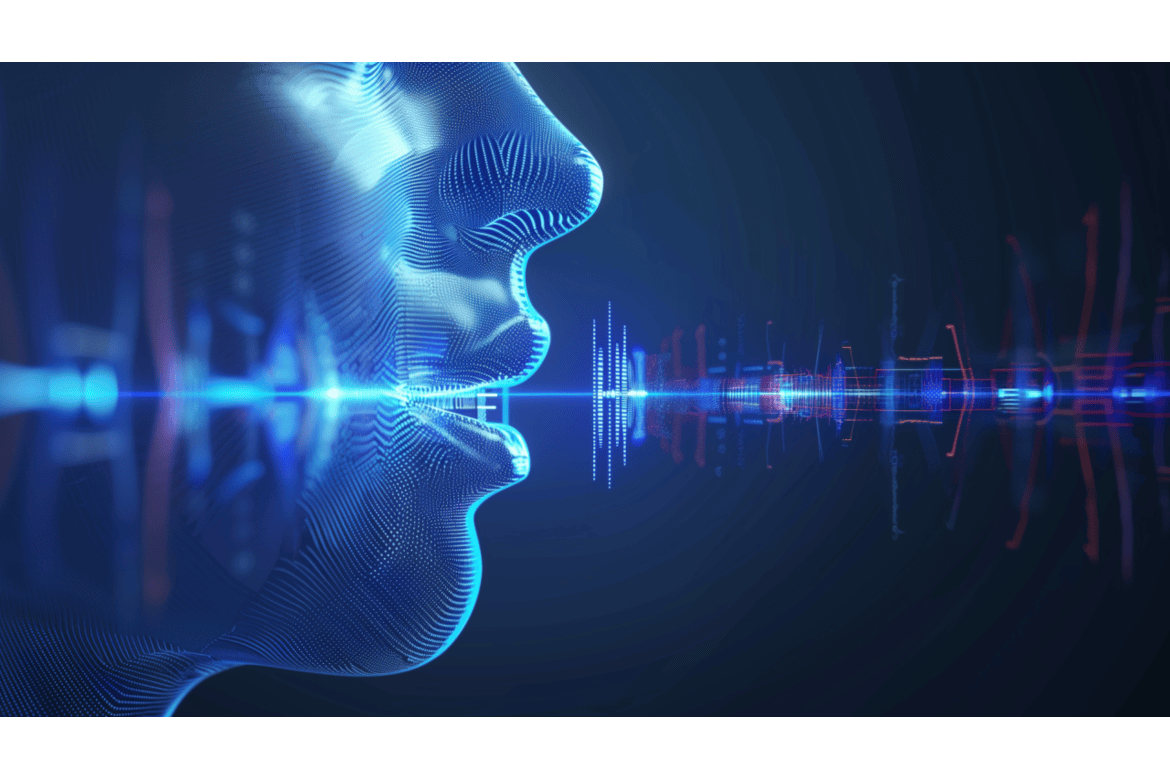
In recent years, AI voice technology has moved from science fiction into everyday life. What once sounded robotic and unnatural has evolved into voices that feel warm, expressive, and almost human. From virtual assistants to audiobooks, customer service to content creation, AI voice is reshaping communication across industries. This article explores what AI voice is, how it works, where it’s used, and why it has become one of the most exciting developments in artificial intelligence today.
What Is AI Voice?
At its core, AI voice refers to technology that enables machines to generate, understand, and respond using human-like speech. It combines artificial intelligence, machine learning, and natural language processing to create voices that can speak fluently, adjust tone, and even express emotions.
Unlike early text-to-speech systems that sounded mechanical, modern AI voice systems are trained on massive datasets of human speech. This training allows them to replicate accents, pacing, and intonation with remarkable accuracy. As a result, many people can no longer easily distinguish between a real person and a high-quality AI voice.
How AI Voice Technology Works
The magic behind AI voice lies in deep learning models. These systems analyze thousands of hours of recorded speech to learn how humans talk. They study pronunciation, rhythm, pauses, and emotional cues. Once trained, the AI voice model can convert written text into spoken words that sound natural and engaging.
Advanced AI voice platforms also include voice cloning, where a system can recreate a specific person’s voice with minimal audio samples. While this has exciting applications, it also raises ethical questions, which we will explore later in this article.
Everyday Uses of AI Voice
You may already interact with AI voice technology more often than you realize. Virtual assistants like smart speakers and mobile assistants rely heavily on AI voice to answer questions, set reminders, and control smart homes. Navigation apps use AI voice to give driving directions in real time.
In customer support, AI voice is transforming call centers. Automated voice agents can handle routine inquiries, reduce wait times, and provide 24/7 service. Businesses benefit from efficiency, while customers enjoy faster responses powered by AI voice systems.
AI Voice in Content Creation
One of the fastest-growing areas for AI voice is content creation. Podcasters, YouTubers, and educators are using AI voice tools to produce narration without expensive recording equipment. Audiobooks created with AI voice make literature more accessible and affordable for listeners around the world.
For marketers, AI voice enables personalized audio ads and voiceovers in multiple languages. A single script can be transformed into dozens of voices, tones, and styles using AI voice, saving time and cost while maintaining quality.
Accessibility and Inclusion Through AI Voice
Perhaps one of the most meaningful contributions of AI voice technology is its impact on accessibility. People with visual impairments rely on screen readers powered by AI voice to navigate digital content. Those with speech difficulties can use AI voice tools to communicate more clearly and confidently.
In education, AI voice helps learners who struggle with reading by converting text into spoken language. Language learners also benefit, as AI voice can demonstrate correct pronunciation and accent in a clear, consistent way.
Emotional Intelligence and Natural Sounding AI Voice
Modern AI voice systems are not just about speaking words; they are about conveying emotion. Developers now focus on emotional intelligence, allowing AI voice to sound empathetic, cheerful, or serious depending on the context.
This emotional depth makes AI voice especially effective in healthcare and mental wellness applications. Virtual health assistants can provide reminders, guidance, and emotional support using a calm and reassuring AI voice, improving user trust and engagement.
Ethical Concerns Around AI Voice
Despite its benefits, AI voice also raises important ethical questions. Voice cloning can be misused for impersonation, fraud, or spreading misinformation. Deepfake audio generated with AI voice technology can make it difficult to verify what is real.
To address these concerns, many developers are implementing safeguards such as consent-based voice cloning, watermarking, and detection tools. Responsible use of AI voice is essential to ensure trust and security in digital communication.
The Future of AI Voice Technology
Looking ahead, the future of AI voice appears incredibly promising. Voices will become even more realistic, multilingual, and emotionally aware. We can expect AI voice to play a major role in virtual reality, gaming, and immersive digital experiences.
Businesses will continue to adopt AI voice to enhance customer engagement, while individuals will use it for productivity, creativity, and accessibility. As technology advances, AI voice may become a natural extension of human communication rather than a separate tool.
Why AI Voice Matters Today
The importance of AI voice lies in its ability to bridge gaps between humans and machines. It makes technology more approachable, more inclusive, and more human. Whether you are listening to a virtual assistant, an audiobook, or an automated support agent, AI voice is working behind the scenes to improve your experience.
As society becomes more digital, spoken interaction will play a key role in how we connect with technology. AI voice is not just a trend; it is a fundamental shift in the way information is shared and understood.
Final Thoughts
In conclusion, AI voice has transformed from a novelty into a powerful tool that influences communication, business, creativity, and accessibility. With responsible development and ethical use, AI voice can enhance lives and open new possibilities across the globe. As this technology continues to evolve, one thing is clear: AI voice is shaping the future of how we speak, listen, and connect in the digital age.
Leave a Reply