The outdoors can be a wonderful place to explore. You can enjoy hiking, camping, gardening, and walking through nature. However, tiny insects can sometimes create unexpected health problems. One insect people should understand is the lone star tick.
This small tick lives mainly in wooded areas, grassy fields, and places with thick plants. It can attach itself to people and animals without being noticed. Its bite may cause itching, redness, and other skin reactions. In some cases, it can also spread harmful germs.
Learning about the lone star tick helps you stay safe outdoors. You can recognize its appearance and understand where it lives. You can also learn how to remove it safely. This guide explains its life cycle, common symptoms, possible health risks, and prevention methods. It also covers the unusual connection between this tick and alpha-gal syndrome.
What Is a Lone Star Tick?
The lone star tick is a small parasitic arachnid that feeds on blood. It belongs to the species Amblyomma americanum. Unlike insects, ticks have eight legs during their later life stages. They are related to spiders and mites.
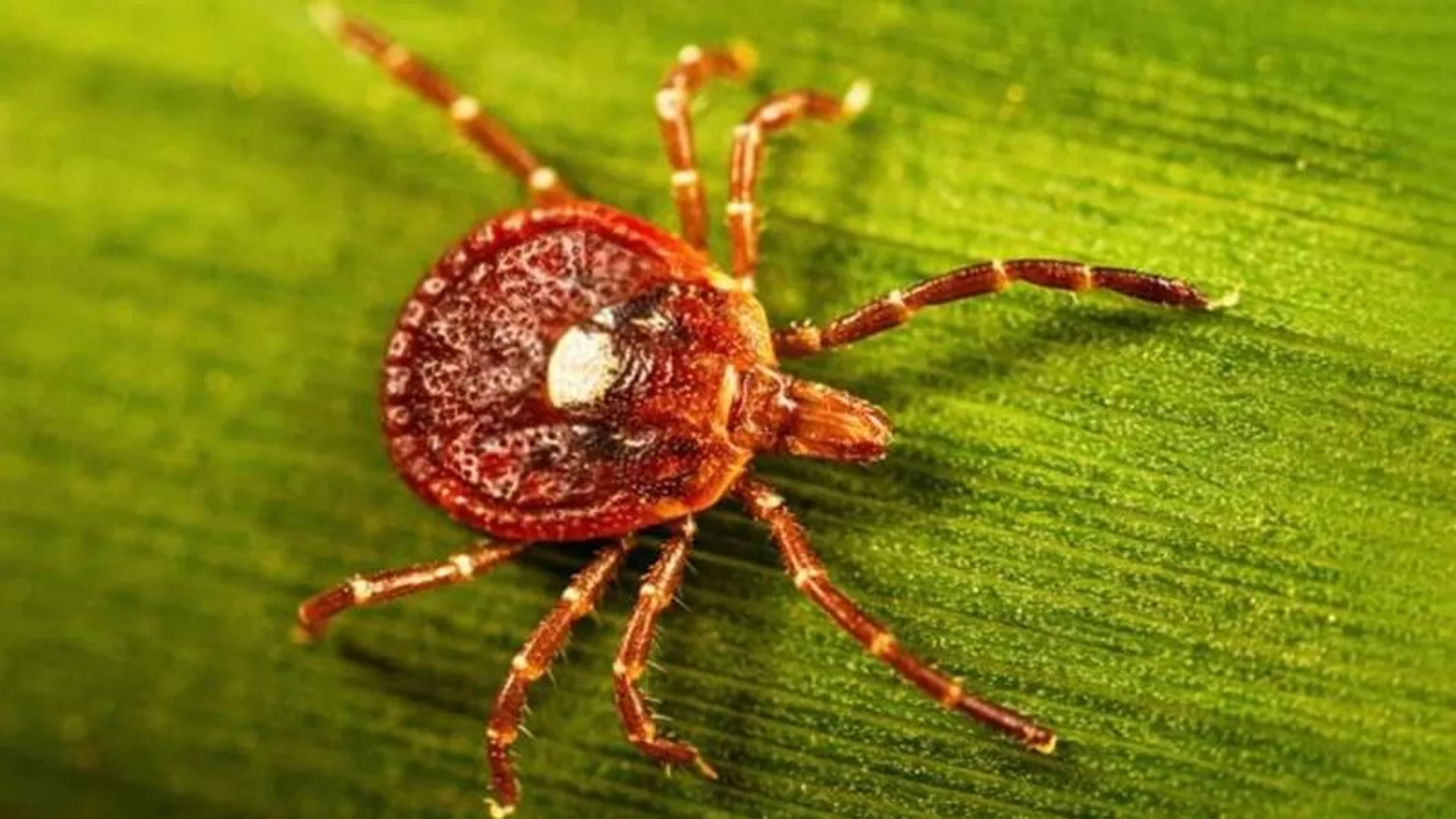
This tick gets its common name from the white spot on the female’s back. The marking looks like a tiny star. Male ticks have different white markings along their bodies. Both males and females can bite humans and animals. They usually wait on grass or low plants for a passing host. When someone brushes against the plant, the tick can attach itself. The lone star tick is important because its bite can sometimes spread infections or trigger allergic reactions. Knowing its appearance makes outdoor protection easier.
Lone Star Tick Identification: What Does It Look Like?
Identifying a lone star tick can help you avoid unnecessary health risks. Adult females usually have reddish-brown bodies. Their backs feature one noticeable white or silver spot. This marking makes them easier to recognize.
Adult males are usually brown and have several pale markings around their bodies. They do not have the single central white spot. Young ticks, called nymphs, are much smaller. Their tiny size makes them difficult to notice. Larvae are even smaller and have six legs. After feeding, ticks become larger and rounder. Their bodies may also change color. Remember that not every small tick is a lone star tick. Other species can look similar. A clear photograph or professional identification can help confirm the species.
Where Does the Lone Star Tick Live?
The lone star tick is commonly found in the eastern and southeastern United States. Its range also extends into parts of the central United States. Some populations have expanded into additional areas over time.
These ticks prefer warm, humid environments. They often live in forests, woodland edges, tall grass, and brushy areas. They can also appear near walking trails and wildlife habitats. Deer are important hosts for adult ticks. However, smaller animals can carry younger ticks. People may encounter them while hiking, gardening, hunting, or camping. They do not jump or fly toward humans. Instead, they wait on vegetation and attach themselves when a host passes nearby. Staying on marked paths can reduce contact with places where ticks commonly wait.
Lone Star Tick Life Cycle
The lone star tick develops through four main life stages. These stages include the egg, larva, nymph, and adult. Each stage plays an important role in its growth.
Female ticks lay eggs in the environment after feeding and mating. Tiny larvae hatch from these eggs. They have six legs and need a blood meal to develop. After feeding, larvae become nymphs. Nymphs have eight legs and seek another host. Once they receive enough blood, they develop into adults. Adult females and males find hosts and reproduce. The entire process depends on suitable temperatures, moisture, and available animals. Different stages may feed on different hosts. Understanding this life cycle explains why ticks can appear throughout outdoor environments. It also shows why regular tick checks are important.
How Does a Lone Star Tick Bite?
A lone star tick bites by attaching its mouthparts to the skin. It uses these specialized parts to pierce the skin and consume blood. Its saliva contains substances that help it remain attached while feeding.
People may not notice the bite immediately. Tick saliva can contain natural chemicals that reduce the feeling of irritation. The tick may remain attached for several hours or longer. Some bites cause small, itchy bumps. Others produce redness or swelling around the affected area. Scratching can make the skin more irritated. A bite does not automatically mean someone will develop an infection. However, proper removal and monitoring are important. Check your skin after spending time outdoors. Pay particular attention to warm, hidden areas where ticks may attach.
Lone Star Tick Bite Symptoms
A lone star tick bite can produce different reactions. Some people notice a small red bump near the attachment site. Others experience itching, tenderness, or mild swelling. These symptoms may appear soon after the tick attaches.
However, certain symptoms deserve more attention. Fever, headache, muscle pain, tiredness, and body aches can indicate a possible tick-related infection. Some illnesses also cause rashes. A rash does not always appear as a perfect circle or target shape. Its appearance depends on the illness and individual reaction. Watch for unusual symptoms after a tick bite. Seek medical advice if you develop fever, spreading redness, severe pain, or unexplained illness. Breathing problems, facial swelling, or throat tightness require emergency medical attention because they may indicate a serious allergic reaction.
What Diseases Can the Lone Star Tick Spread?
The lone star tick can transmit several disease-causing germs. These include bacteria and other infectious organisms. However, not every bite causes disease.
Important illnesses associated with this tick include:
- Ehrlichiosis: A bacterial infection that may cause fever, headache, muscle aches, and tiredness.
- Tularemia: A bacterial illness that can cause fever, swollen lymph nodes, and skin ulcers.
- Heartland virus disease: A rare viral illness that can cause fever, fatigue, headache, and muscle pain.
- Bourbon virus disease: A rare illness associated with fever, weakness, and other flu-like symptoms.
Some people may also develop an allergic reaction after a bite. The lone star tick is not considered a transmitter of Lyme disease in the same established way as certain blacklegged ticks. However, tick bites should always receive proper attention. A healthcare professional can assess symptoms and recommend suitable testing or treatment.
Lone Star Tick and Alpha-Gal Syndrome
One unusual health concern associated with the lone star tick is alpha-gal syndrome. This condition can cause an allergy to certain products from mammals. These products may include beef, pork, lamb, and other mammal-derived foods.
Alpha-gal is a sugar molecule found in most mammals. Humans naturally do not produce it. A tick bite may expose the immune system to alpha-gal through the tick’s saliva. In some people, this exposure can lead to an allergic reaction. Symptoms may include hives, stomach pain, nausea, vomiting, and breathing difficulties. One unusual feature is the delayed reaction. Symptoms can begin several hours after eating certain foods. This delay can make the allergy difficult to recognize. Anyone experiencing possible symptoms should speak with an allergy specialist. Severe breathing problems require emergency care.
Southern Tick-Associated Rash Illness (STARI)
Southern tick-associated rash illness, also called STARI, is another condition linked to lone star tick bites. It can cause a circular red rash around the bite area. The rash may look similar to the rash associated with Lyme disease. Some people also experience tiredness, fever, headache, and muscle pain.
The exact germ responsible for STARI has not been identified. This makes the condition different from several other known tickborne infections. Symptoms usually develop after a lone star tick bite. However, not everyone who gets bitten develops a rash. If you notice a growing rash after a tick bite, contact a healthcare professional. Do not assume it is harmless or try to diagnose it from pictures alone. A doctor can review your symptoms and possible exposure.
How to Remove a Lone Star Tick Safely
Finding an attached tick can feel unpleasant. However, staying calm helps you remove it correctly. Use clean, fine-tipped tweezers for the job. Follow these simple steps:
- Hold the tick as close to your skin as possible.
- Grip its mouth area without squeezing its body.
- Pull upward slowly with steady pressure.
- Avoid twisting, crushing, or jerking the tick.
- Clean the bite area with soap and water or rubbing alcohol.
- Wash your hands after handling the tick.
Do not use petroleum jelly, nail polish, gasoline, or a burning match. These methods can cause additional problems. If the mouthparts remain inside, remove them carefully with tweezers when possible. Do not dig deeply into your skin. Contact a healthcare professional if you cannot remove the tick safely.
What Should You Do After a Lone Star Tick Bite?
Removing the tick is only the first step. You should also pay attention to your health over the following days and weeks. Clean the affected area and make a note of the bite date. You can take a photograph of the skin to compare changes later. If possible, keep a clear photograph of the tick for identification.
Watch for fever, headaches, muscle pain, unusual tiredness, or spreading redness. Tell your doctor about the tick bite if you become unwell. Mention where you were outdoors and approximately how long the tick remained attached. Do not wait for a rash before seeking medical advice. Some tickborne illnesses do not produce noticeable skin changes. A doctor can decide whether testing or treatment is needed. Never take antibiotics without professional guidance.
Lone Star Tick Treatment Options
Treatment depends on the symptoms and the illness involved. A simple bite may only need basic skin care. Washing the area and avoiding scratching can help reduce irritation. A cool compress may also soothe mild itching and swelling.
However, infections require medical attention. Doctors may prescribe antibiotics for certain bacterial illnesses, including ehrlichiosis. Other conditions need different forms of care. Viral illnesses such as Heartland virus disease do not respond to antibiotics. Supportive treatment may help manage symptoms. Alpha-gal syndrome requires a different approach. Patients may need allergy testing and guidance about avoiding trigger foods. People with severe allergic reactions need emergency treatment. Never choose medication based only on online advice. A healthcare professional should decide which treatment is suitable.
How to Prevent Lone Star Tick Bites
Preventing tick bites is easier than dealing with their possible health effects. A few simple habits can lower your exposure. Wear long sleeves, long pants, and closed shoes when visiting wooded places. Light-colored clothing can make crawling ticks easier to spot. Tuck your pants into your socks when walking through tall grass.
Use an appropriate insect repellent according to its label. Products containing DEET or picaridin can help protect exposed skin. Permethrin-treated clothing and outdoor gear provide another layer of protection. Do not apply permethrin directly to your skin. Stay near the center of walking trails. Avoid brushing against thick vegetation whenever possible. After outdoor activities, check your entire body. Shower soon after returning home. These habits can help protect children and adults during outdoor adventures.
How to Protect Pets From Lone Star Ticks
Pets can carry ticks into your home after playing outside. Dogs are especially likely to explore grassy areas and wooded spaces. Their fur can hide tiny ticks that are difficult to notice. Regular checks can help you find these unwanted visitors early.
Look carefully around your pet’s ears, neck, legs, and paws. Check between the toes and beneath the collar. Use a veterinarian-approved tick prevention product. Your veterinarian can recommend a suitable option based on your pet’s age and needs. Keep your yard trimmed and remove piles of leaves when possible. Wash pet bedding regularly and inspect outdoor sleeping areas. If you find an attached tick, remove it carefully. Contact your veterinarian if your pet develops unusual symptoms. Protecting animals also helps reduce the chance of ticks entering your home.
When Should You See a Doctor?
Not every tick bite requires emergency treatment. However, certain warning signs should never be ignored. Contact a healthcare professional if you develop fever, headache, muscle aches, unusual tiredness, or a spreading rash. These symptoms can appear days or weeks after exposure. Tell the doctor about any recent outdoor activities or tick bites.
Some reactions need immediate medical attention. Seek emergency help if you experience difficulty breathing, throat tightness, fainting, or swelling of the tongue or face. These signs may indicate a severe allergic reaction. Also seek medical advice if the bite becomes increasingly painful, swollen, or infected-looking. Early assessment can help identify problems and guide treatment. Keep in mind that a tick bite does not guarantee illness. Paying attention to symptoms is simply a sensible safety step.
Lone Star Tick vs. Other Common Ticks
Different tick species can look similar. However, their markings, habitats, and disease risks may differ. Learning a few basic differences can make identification easier. The lone star tick is especially recognizable because of the female’s white back marking.
| Tick species | Main identifying feature | Important associated risks |
| Lone star tick | Female has one white spot | Ehrlichiosis, tularemia, Heartland virus, alpha-gal association |
| Blacklegged tick | Dark legs and dark shield | Lyme disease and other infections |
| American dog tick | Brown body with pale patterns | Rocky Mountain spotted fever, tularemia |
| Brown dog tick | Brown body without a single white star | Rocky Mountain spotted fever in some regions |
Appearance alone cannot confirm every tick species. Young ticks can be especially difficult to identify. If identification matters, take a clear photograph or contact a tick identification service. Remember that different species can carry different germs. Correct identification can provide useful information for a healthcare professional.
Common Myths About Lone Star Ticks
There are many misunderstandings about ticks and their bites. One common myth is that every tick bite causes an infection. This is not true. Many people experience no serious health problems after a bite. However, monitoring symptoms remains important.
Another myth suggests that ticks can jump or fly onto people. They cannot jump or fly. They usually attach when someone brushes against vegetation where they are waiting. Some people also believe that a red bite mark always means disease. In reality, ordinary irritation can cause redness and itching. Another misconception is that removing a tick with heat is safe. Burning an attached tick is not recommended. The safest approach is careful removal with fine-tipped tweezers. Learning the facts helps people make better decisions outdoors.
Lone Star Tick Biography and Complete Information Table
The following profile brings together the most important details about this tick. It provides a quick reference for readers, outdoor enthusiasts, and pet owners.
| Profile detail | Information |
| Common name | Lone Star Tick |
| Scientific name | Amblyomma americanum |
| Animal group | Arachnid |
| Family | Ixodidae |
| Type | Hard-bodied tick |
| Main appearance | Reddish-brown body |
| Female marking | One noticeable white spot |
| Male marking | Several pale body markings |
| Number of legs | Six as a larva; eight as a nymph and adult |
| Main habitat | Woodlands, tall grass, brush, and leaf litter |
| Geographic range | Eastern, southeastern, and parts of central United States |
| Main hosts | Deer, rodents, livestock, pets, and humans |
| Feeding method | Blood-feeding parasite |
| Life stages | Egg, larva, nymph, and adult |
| Important associated illnesses | Ehrlichiosis, tularemia, Heartland virus, Bourbon virus |
| Other health associations | STARI and alpha-gal syndrome |
| Human biting risk | Yes |
| Prevention | Repellent, protective clothing, and regular tick checks |
| Safe removal | Fine-tipped tweezers |
| Flying ability | Cannot fly |
| Jumping ability | Cannot jump |
Important note: The lone star tick is an animal species, not a person. Therefore, this biography table describes its scientific identity, physical features, habitat, and health importance.
Is the Lone Star Tick Found Outside the United States?
The lone star tick is mainly associated with the United States. Its established range includes many eastern and southern states. It is not considered a common tick throughout the world. However, people who travel can encounter different tick species in other countries.
Travelers should learn about local tick risks before visiting forests, farms, or grassy areas. Wear suitable clothing and use approved repellents. Check your body after outdoor activities, especially during warm seasons. If you find a tick while traveling, remove it safely. Remember the location and date of exposure. Tell your doctor about international travel if you later develop unusual symptoms. This information can help with a proper medical assessment.
Conclusion
The lone star tick is a small parasite that can create serious health concerns. Its female has a noticeable white spot on her back. It commonly lives in wooded areas, tall grass, and thick vegetation. Its bite can cause skin irritation and may spread certain infections. It is also associated with alpha-gal syndrome, which can cause an allergy to some mammal products.
The good news is that simple habits can reduce your risk. Wear protective clothing, use suitable repellents, and check your body after outdoor activities. Remove attached ticks carefully and watch for unusual symptoms. Protect your pets with regular tick checks and veterinary advice. Have you ever encountered a tick during an outdoor adventure? Share your experience and safety tips with other readers. Your knowledge may help someone enjoy nature more safely.
Frequently Asked Questions (FAQs)
Q1. What does a lone star tick look like?
A lone star tick is usually reddish-brown. Adult females have one noticeable white spot on their backs. Males have several pale markings instead. Young ticks are much smaller and harder to identify. Their appearance changes as they grow through different life stages.
Q2. Is a lone star tick dangerous to humans?
Yes, it can be dangerous in some situations. It may spread illnesses such as ehrlichiosis, tularemia, and Heartland virus disease. Its bite is also associated with alpha-gal syndrome. However, not every bite causes an illness. Watch for unusual symptoms and seek medical advice when needed.
Q3. Can a lone star tick cause a red meat allergy?
Yes, its bite is associated with alpha-gal syndrome. This condition can cause allergic reactions to certain mammal products. These include beef, pork, and lamb. Symptoms may appear several hours after eating. An allergy specialist can help diagnose and manage this condition.
Q4. How do you remove a lone star tick?
Use fine-tipped tweezers to grip the tick near your skin. Pull upward slowly with steady pressure. Avoid twisting, crushing, or burning it. Clean the bite area after removal. Contact a healthcare professional if you cannot remove it completely or develop unusual symptoms.
Q5. Where are lone star ticks commonly found?
They are mainly found across the eastern, southeastern, and central United States. They prefer wooded areas, tall grass, leaf litter, and thick vegetation. They can also appear near hiking trails and wildlife habitats. Their activity is influenced by weather and environmental conditions.
Q6. How can I protect myself from lone star ticks?
Wear long clothing and closed shoes when visiting grassy or wooded areas. Use an appropriate insect repellent. Stay on clear walking trails and avoid thick vegetation. Check your body, clothing, and pets after outdoor activities. These simple steps can reduce your chances of getting bitten.
Leave a Reply