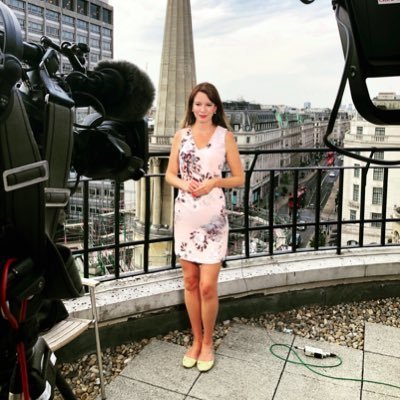
When people search for the keyword “Elizabeth Rizzini disability,” they are usually not looking for gossip. More often than not, they are trying to understand why this topic comes up, what has been said publicly, and how conversations around disability and representation intersect with modern media. Elizabeth Rizzini, a well-known BBC weather presenter, has built a strong professional reputation, and with visibility often comes public curiosity.
This article takes a thoughtful, expert-led, and respectful approach to the topic. Rather than making assumptions or spreading unverified claims, it focuses on the broader discussion surrounding disability, public figures, and why these conversations matter. The aim is to provide clarity, context, and insight—casually written, but grounded in experience and responsibility.
Who Is Elizabeth Rizzini and Why the Topic Draws Attention
Elizabeth Rizzini is a familiar face to many viewers in the UK, particularly those who follow BBC weather broadcasts. Her calm delivery, professional presence, and clear communication have made her a trusted voice in daily weather reporting. Over the years, she has developed a loyal audience that appreciates not just her expertise but also her authenticity on screen.
With that visibility, however, comes scrutiny. Public figures are often subject to speculation about their personal lives, health, or physical appearance. In Elizabeth Rizzini’s case, occasional online discussions have prompted people to search for terms like “Elizabeth Rizzini disability,” even though she has not publicly disclosed having any disability. This reflects a broader pattern in how audiences interact with media personalities.
It is important to understand that curiosity does not always come from a negative place. Sometimes it stems from a growing awareness of disability representation in media. As viewers see more presenters, journalists, and broadcasters openly discussing health conditions or disabilities, they naturally become more attentive to diversity on screen. This cultural shift explains why such keywords trend, even when no official statement exists.
Public Figures, Privacy, and the Question of Disability
Disability is a deeply personal subject. While some public figures choose to share their experiences openly, others prefer to keep their health and personal circumstances private. Both choices are valid and deserve respect. In the case of Elizabeth Rizzini, there is no confirmed public information stating that she has a disability.
Despite that, online speculation can still gain traction, especially in an era driven by search engines and social media algorithms. Once a keyword starts appearing in searches, it can snowball into articles, forum discussions, and assumptions. This does not mean the information is accurate—it simply reflects what people are curious about at a given moment.
From an expert perspective, it is essential to separate verified facts from speculation. Discussing disability in a general sense is valuable, but attaching unconfirmed narratives to a real person can unintentionally cross ethical lines. Responsible conversations should focus on representation, awareness, and inclusion rather than personal diagnoses or assumptions.
Why Disability Representation in Media Matters
The growing interest around topics like “Elizabeth Rizzini disability” highlights something bigger than one individual. It points to a cultural shift where audiences care deeply about representation. Seeing people with diverse abilities in mainstream media helps normalize disability and challenge outdated stereotypes.
When broadcasters include presenters with visible or invisible disabilities, it sends a powerful message: professionalism and expertise are not limited by physical or neurological differences. This kind of representation can be life-changing for viewers who rarely see themselves reflected in authoritative roles on television.
Even when a presenter does not identify as disabled, the conversation itself can still spark awareness. It encourages viewers to question why they associate certain traits with disability and how those assumptions are formed. In that sense, public curiosity—when handled responsibly—can become a gateway to more inclusive thinking.
The Impact of Speculation on Media Professionals
Speculation about disability, health, or personal circumstances can have real-world consequences for media professionals. While public-facing roles invite attention, they do not remove the right to privacy. Constant questioning or labeling can be emotionally exhausting and professionally distracting.
For someone like Elizabeth Rizzini, whose work is focused on delivering accurate weather information, such speculation shifts attention away from her expertise. This is a common challenge faced by many broadcasters, especially women, who are often scrutinized more intensely than their male counterparts.
From an industry standpoint, there is a growing push to educate audiences about respectful engagement. Appreciating a presenter’s work, skills, and professionalism should always take priority over analyzing their appearance or personal life. This mindset creates a healthier relationship between media figures and the public.
Disability Awareness Without Assumptions
One of the most constructive ways to approach the keyword “Elizabeth Rizzini disability” is to use it as an entry point into broader disability awareness—without making assumptions about her personally. Disability is not always visible, and it is not always relevant to someone’s professional performance.
Experts in media ethics often stress that awareness should be inclusive but non-invasive. Celebrating accessibility, advocating for equal opportunities, and supporting inclusive workplaces does far more good than speculating about individuals. It shifts the focus from “what condition might someone have” to “how can society be more accommodating overall.”
This approach benefits everyone. It respects individual boundaries while still promoting conversations that lead to better policies, improved representation, and greater empathy. In many ways, it reflects a more mature and informed public discourse.
What We Can Learn From the Ongoing Conversation
The continued interest in Elizabeth Rizzini and disability-related searches tells us a lot about where society is headed. People are paying attention to inclusion. They are questioning norms and looking for stories that reflect real-world diversity. That curiosity, when guided thoughtfully, can be a positive force.
However, it also reminds us of the responsibility that comes with consuming and sharing information. Not every question needs a definitive answer, especially when it involves someone else’s private life. Learning to sit with uncertainty is part of ethical media consumption.
Ultimately, Elizabeth Rizzini’s professional success stands on its own. Whether or not disability is part of her personal story is secondary to the expertise, reliability, and presence she brings to her role. That, in itself, is worth recognizing and respecting.
Conclusion: Respect, Representation, and Responsible Curiosity
The keyword “Elizabeth Rizzini disability” reflects a mix of curiosity, awareness, and the evolving conversation around representation in media. While there is no public confirmation of any disability, the interest surrounding the topic opens the door to meaningful discussions about privacy, inclusion, and ethical engagement.
As audiences, the most constructive thing we can do is focus on contributions rather than assumptions. Supporting disability awareness does not require labeling individuals—it requires empathy, education, and advocacy. Elizabeth Rizzini’s career serves as a reminder that professionalism and credibility come from skill and dedication, not from personal narratives imposed by others.
Handled responsibly, these conversations can lead to a more inclusive media landscape—one where diversity is valued, privacy is respected, and expertise remains at the center of public attention.
Leave a Reply